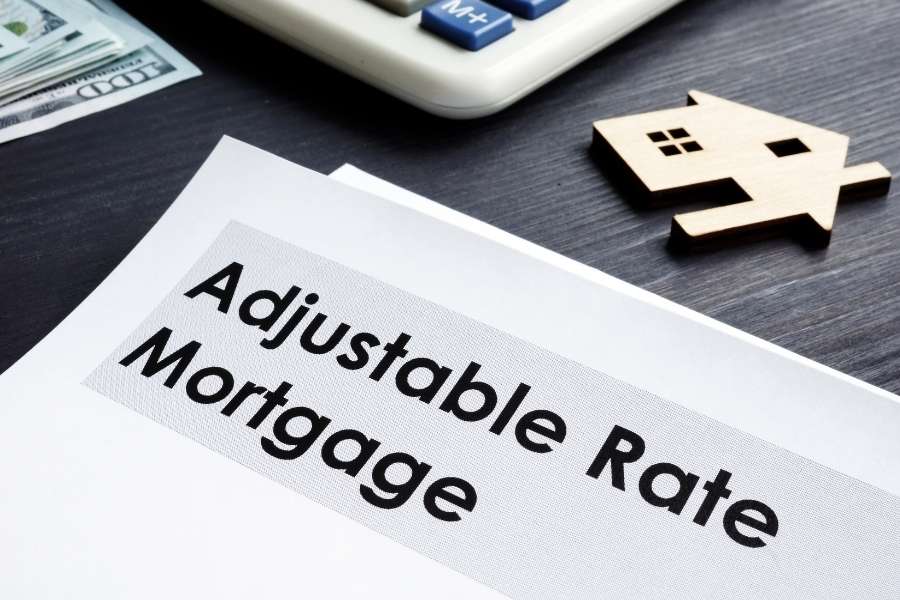
Buying a home is a major step. Choosing the right loan structure can save you money. Are Adjustable-Rate Mortgages right for you? Or is a fixed loan better? Let us compare your options clearly.
Navigating the Complex Loan Market
Finding the right mortgage requires careful comparison. Every option impacts your long-term money strategy.
You must look closely at how interest changes over time. Your choice will shape your monthly cash flow. Before closing the deal, learning how to negotiate closing costs with seller can save you thousands upfront.

Understanding Your Loan Choices
Interest structures control your monthly expenses. You need a loan that fits your lifestyle goals.
A solid plan protects you during unexpected market shifts. Avoiding common property rental mistakes to avoid is equally crucial if you plan to lease your home later. Let us analyze both mortgage models in detail.
Demystifying Fixed Loans for Stability
A fixed loan keeps your interest rate completely stable. Your rate will never change during the full loan term.
Your monthly payment stays identical every single month. This stability protects your family budget against inflation.
Unpacking Adjustable Loans and How They Work
An adjustable-rate mortgages model operates differently. These loans start with a fixed starter period.
After that initial phase, your rate changes periodically. Your rates adjust based on current economic benchmarks.
Key Takeaway: An ARM offers lower upfront costs. However, you must accept future rate shifts.
Comparing Financial Dynamics over Time
Different loans handle your principal balance in distinct ways. The balance shifts as time goes on.
Knowing how interest adds up helps you plan effectively. Let us look at the internal mechanics.
Initial Savings vs long-Term Risk
The main draw of an ARM is the initial discount. Lenders offer low initial rates to attract buyers.
However, market indexes can push rates higher later. This movement increases your payment when adjustments happen.
Decoding Your Payment Structure
Your amortization schedule outlines every payment over time. Early payments cover interest charges primary.
Fixed loans give you a rigid payoff schedule. Adjustable loans reset their math after every shift.
Pros and Cons of Adjustable Rate Loans
Weighing the pros and cons helps avoid future surprises. You can prepare for eventual changes early.
Here is a breakdown of what you can expect.
| Feature | Fixed-Rate Mortgage | Adjustable-Rate Mortgage |
|---|---|---|
| Initial Interest Rate | Moderate | Significantly Lower |
| Rate Stability | Locked completely | Variable after starter period |
| Budget Predictability | Total stability | Changes after initial years |
| Best Used For | Long-term ownership | Short-term plans |
The Real Advantages of an ARM
Lower initial payments help free up monthly cash. You can invest the extra savings elsewhere.
- Lower Starter Rates: Initial rates are typically lower than fixed loans.
- Faster Equity Build: Extra cash can go toward your main loan balance.
- Great for Short Stays: Ideal if you plan to move before adjustments start.
Potential Pitfalls and Rate Resets
Unpredictability remains the main risk with variable loans. Rates can jump when adjustment windows open.
- Payment Increases: Monthly bills rise if market indexes go up.
- Complex Terms: You must track margins, caps, and index rates.
- Market Exposure: Inflation can push rates to maximum limits.
Evaluating Key Loan Differences
Understanding the difference between fixed and adjustable rate mortgage models is vital. Real numbers make decisions clearer.
Small rate variances accumulate into significant sums over decades.
| Loan Type | Sample Initial Rate | Monthly Payment (Years 1–5) | Max Potential Rate | Max Monthly Payment |
|---|---|---|---|---|
| 30-Year Fixed | 6.75% | $1,945 | 6.75% | $1,945 |
| 5/1 ARM | 5.75% | $1,751 | 10.75% | $2,796 |
| 7/1 ARM | 6.00% | $1,798 | 11.00% | $2,842 |
Note: Calculations based on a $300,000 principal balance.
Determining Which Loan Type Fits Best Right Now
Deciding which mortgage type is best right now depends on market trends. Economic cycles shift regularly.
Smart buyers match their strategy to macro market conditions.
Adapting Strategy to Market Shifts
In high-rate markets, ARMs offer a lower entry point. You secure lower starter payments right away.
In low-rate markets, fixed loans are usually better. They help by locking in a low interest rate permanently.
Risk Tolerance and Personal Timelines
Your financial goals should guide your mortgage decision. Ask yourself these practical questions:
- How long will you stay? Moving early makes an ARM attractive.
- How stable is your income? Fixed loans protect tight family budgets.
- What is your risk comfort? Avoid variable loans if market shifts cause stress.
Strategic Refinancing Options
You do not have to keep an ARM forever. Many homeowners switch loan types later on.
Refinancing allows you to move into a fixed loan eventually.
Transitioning to a Fixed Loan
Refinancing requires matching rate drops against closing fees. Ensure your net savings cover transaction costs.
Maintaining Financial Stability
Your mortgage must support long-term goals. Focus on overall financial stability over simple short-term savings.
Keep cash reserves ready to navigate future market fluctuations safely.
FAQ
What happens if I cannot afford my payment when my ARM resets?
You can refinance your mortgage before rate adjustments start. Alternatively, selling the home captures your built-up equity safely.
What are ARM rate caps?
Caps limit maximum interest increases during adjustment windows. They protect borrowers from sudden extreme rate spikes.
Can I pay off an ARM loan early?
Most modern loans do not feature prepayment penalty fees. You can pay down loan principal early without added costs.
Is qualifying for an ARM harder than a fixed loan?
Lenders use higher stress-test rates to approve variable loans. Qualifying criteria remain similar across both mortgage options.
Your choice between fixed and variable loans depends on your horizon. Evaluate your budget, map your timeline, and choose confidently.