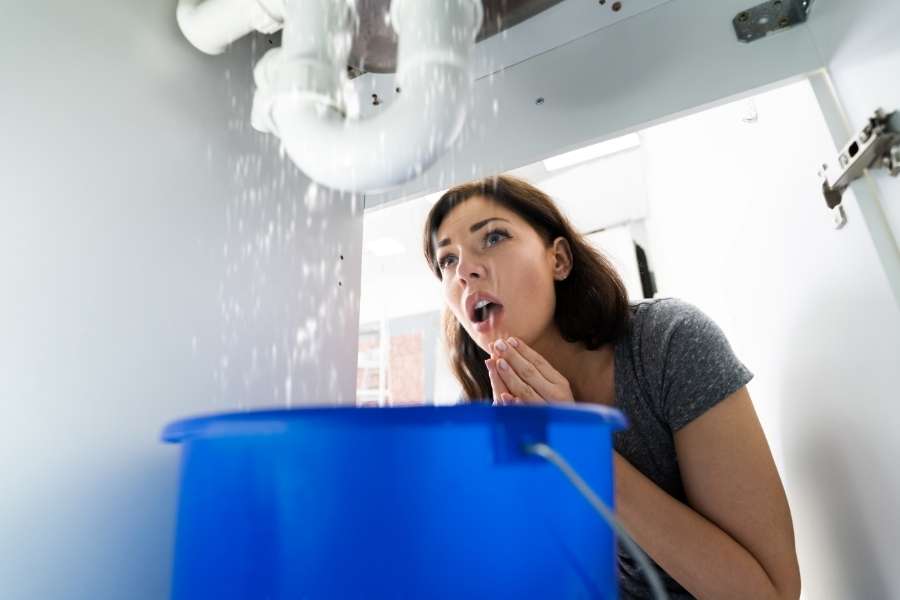
Water gushes across your floor while your hallway clock ticks loudly. A major plumbing emergency strikes fast and creates instant household chaos. Do not freeze up in fear. Grab a flashlight and take charge right now. You can stop expensive property destruction before the service van pulls up. Water ruins hardwood, drywall, and carpets in mere minutes. Lingering puddles also invite toxic mold growth very quickly. Every deliberate choice you make right now saves you hard-earned cash. Let us walk through the exact steps to secure your living space.
Take a very deep breath right now. Turn your nervous energy into decisive action. A catastrophic indoor flood destroys sheetrock rapidly. Wood warping begins within minutes of contact. Electrical circuits face severe shorting hazards immediately. You can control this disaster with clear knowledge. Knowing what tools to grab prevents chaos. Understanding your home layout provides real leverage. Quick decisions protect expensive foundations and carpets. Every single second counts before help arrives.
Take Immediate Command and Locate the Water Supply
Standing water destroys flooring materials with astonishing speed. You cannot afford to wait passively for outside help to arrive. Your absolute first priority is cutting off active flow immediately. Every single fixture in your house connects to one main line. Shutting that conduit down stops the destruction at its core. You prevent costly structural damage by acting without delay. Following proven major plumbing emergency water damage steps keeps your repair bills down. Taking direct action bridges the gap between fear and real physical safety. Furniture and drywalls absorb dozens of gallons every single minute. Moving with a clear practical goal keeps you focused and highly effective.
Between your initial shock and actual containment lies action. Moving with precise purpose prevents chaotic mistakes. Taking charge right away prevents costly foundation repairs later.
Finding the Central Supply Point
Homeowners often ask where is the main water shutoff valve located in older houses. Start by checking the basement perimeter wall facing the street outside. Look inside utility closets, near water heaters, or in crawl spaces. Some properties feature ground boxes near the front sidewalk. Wheel handles require firm clockwise turns until they stop completely. Lever handles require a ninety-degree turn across the pipe. Every single adult in your household must know this spot.
Always keep the path to this valve completely clear. Tape a bright neon ribbon to the handle for visibility. This simple trick saves precious seconds during a frantic emergency. Never force an old brass handle if it feels seized. Heavy mineral scale can snap brittle metal stems quite easily. Call your local municipal water utility if the private valve sticks. They carry curb keys to shut street connections off safely. Store a sturdy flashlight near this isolation point at all times.
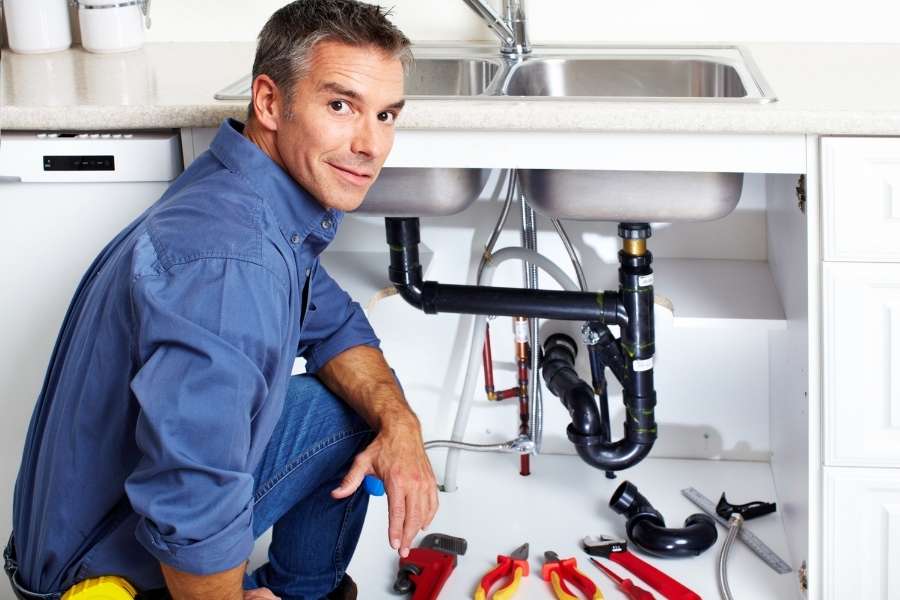
Clear Immediate Dangers to Keep Your Family Safe
Water and household electricity create a lethal combination very quickly. Stepping into flooded rooms blindly brings severe electric shock risks. A sudden indoor flood demands intense caution from every homeowner. Water touching wall baseboard outlets energizes entire puddles instantly. Check carefully for submerged power cords and extension cables. Wear sturdy rubber boots instead of walking through water barefoot. Keep children and family pets behind closed doors upstairs. Learning how to handle plumbing emergencies at home safely protects your family from electric shocks. Always remember that physical personal safety matters far more than wet floors.
Waterlogged ceilings present sudden overhead collapse dangers. Sagging drywall holds dozens of gallons of heavy water silently. Bulging plaster crumbles without warning when weight loads get too high.
Neutralizing Electrical and Ceiling Hazards
Walk to your electrical breaker panel while staying totally dry. Flip off individual breakers feeding power to the flooded zones. Cut the whole main breaker if the panel stays completely dry. Never touch metal switches with wet hands or damp clothing. Use a dry wooden broom handle if floors feel moist. Smell the air for sharp ozone or plastic burning odors. Evacuate immediately if you see sparks or smoke rising.
Ceiling bulges indicate accumulated water trapped above the drywall panels. Set wide plastic buckets directly under the lowest bulging point. Poke a clean hole in the center using a screwdriver. Controlled drainage prevents heavy ceilings from collapsing on your head. Trapped weight breaks ceiling joists if you leave it alone. Releasing that pressure saves the underlying wooden framework. Move soaked rugs and wooden furniture out of the room. Clear wet rugs and sodden furniture away quickly to dry out.
Manage Pressurized Ruptures and Pipe Failures
Pipes freeze, expand, and rupture under fierce winter pressure. When a major plumbing emergency strikes, indoor line pressure drops fast. Knowing what to do when a water pipe bursts saves you thousands. First, shut that main house isolation valve without hesitation. Next, open lowest outdoor hose bibs to drain remaining water. Crack open top-floor faucets to break internal line suction. This pulls residual gallons harmlessly out into the yard.
You must relieve lingering line pressure across every floor. Draining internal pipes stops hidden water from feeding wall cavities. Trapped moisture inside closed pipes will continue to seep out slowly.
Temporary Containment for Pressurized Lines
A pressurized copper burst requires rapid mechanical patching right away. Wipe dirt and mineral scale off the damaged copper surface. Wrap thick rubber sheeting tightly over the split metal section. Fasten the rubber securely using an adjustable stainless hose clamp. Heavy-duty fiberglass repair tape also seals small pinhole leaks temporarily. Remember that these temporary fixes hold only modest pipe pressure. Keep your main supply valve closed until professional repairs finish.
Pinhole leaks spray thin mists behind hollow sheetrock walls quietly. Even a tiny pinhole leak completely drenches hidden insulation batts. Wet fiberglass insulation fosters hidden mold growth within two days. Cut small observation holes to inspect suspicious, damp wall areas. Direct spraying water into plastic buckets using old cotton rags. Wrap towels around vertical pipes to guide dripping water cleanly. Document every wet surface with photos for your insurance claim.
Tame Severe Fixture Overflows and Clogged Waste Lines
Sanitary fixtures cause disgusting household messes without warning. Blackwater overflows carry harmful bacteria and dirty waste into living spaces. Knowing how to stop an overflowing toilet immediately protects your bathroom floor. Reach right behind the porcelain bowl near the tiled floor. Find the small oval stop valve mounted on the wall. Turn that knob clockwise until water stops flowing upward. You save costly subflooring from filthy moisture damage instantly.
Toilets overflow because internal tank flappers remain stuck wide open. Blocked waste lines force incoming clean water straight up. Waste pipes cannot clear water when large physical clogs lodge inside.
Stopping Porcelain Overflows at the Mechanism
Take the porcelain lid off the toilet tank right away. Push the round rubber flapper down over the drain hole. Lift the floating ball mechanism to halt incoming tank water. This stops fresh water from rising into the toilet bowl. Wedge a wooden pencil underneath the float arm temporarily. Propping the float up keeps the fill valve shut tight. Mop contaminated waste water while wearing thick rubber gloves. Disinfect all hard surfaces with bleach and hot water.
Gurgling drains in basements indicate severe sewer pipe clogs. Tree roots frequently invade and block older sewer lateral pipes. Turn off dishwashers and clothes washing machines right away. Running appliances dumps graywater directly into overflowing lower drains. Avoid running kitchen faucets or flushing toilets in upper rooms. Every drain on lower levels will back up otherwise. Keep sewer cleanout plugs screwed down tight to prevent backflow.
Essential Damage Containment Protocols
Physical water extraction must begin before service technicians arrive. You cannot undo a major plumbing emergency after it starts. You can limit structural degradation through fast, determined manual labor. Gather every dry towel, microfiber mop, and plastic bucket available. Mop standing water off hardwood planks before wood grain buckles. Push puddles toward tiled walk-in shower pans using brooms. Use wide rubber squeegees across bare concrete basement floors.
Tracing the water flow path helps drying technicians plan repairs. Clear documentation speeds up the entire structural drying process later. Knowing exactly where moisture traveled makes restoration work much faster and cheaper.
Safe Water Removal and Air Circulation
Set up high-velocity household fans across wet floor surfaces immediately. Open exterior windows if the weather outside feels dry. Moving air speeds up evaporation along damp wooden baseboards significantly. Run heavy-duty dehumidifiers on maximum settings around the clock. Empty collection buckets regularly so the machines keep running continuously. Constant dehumidification prevents mold colonies from blooming behind wallpaper. Fungal spores sprout inside damp wall cavities within forty-eight hours.
Prop wet furniture legs up on thick aluminum foil squares. Aluminum foil stops wood stain from bleeding into damp carpets. Carry wet cardboard boxes outside into the open air immediately. Wet cardboard falls apart and leaves sticky, messy paper fibers. Vacuum wet rugs using a dedicated wet-dry shop vacuum. Empty vacuum canisters frequently before foam air filters plug up. Keep work spaces brightly lit using battery-powered camping lanterns.
Implement Professional Mitigation and Insurance Standards
Early mitigation steps decide whether your insurance claim pays out. Certified insurance adjusters inspect your initial cleanup efforts very closely. Standard homeowner policies require occupants to prevent further property damage. Ignoring standing water can invalidate legitimate insurance reimbursement requests entirely. Snap dozens of clear, bright photographs of every damaged possession. Record continuous video walks through saturated rooms and damaged hallways. Keep broken pipe pieces in a bucket as physical proof.
Clear documentation demonstrates the true origin of your property damage. Adjusters require solid proof that your incident happened suddenly. Good records make filing your paperwork simple and stress-free when technicians finish.
Navigating Claims and Dispatch Times
Dial your home insurance emergency claims line without any hesitation. Write down your official claim tracking number on paper immediately. Ask your claims agent for their list of approved contractors. Many insurance carriers send dedicated water extraction crews to assist. Do not toss water-damaged possessions into the trash can yet. Stack ruined items outside on your patio under plastic tarps. Adjusters must inspect damaged personal belongings to calculate payouts.
Reach out to a trusted local plumber with emergency credentials. State your emergency clearly without wasting time on casual chatter. Provide your exact street address and gate entry code clearly. Mention your pipe material, break location, and shutoff status. Ask for an honest estimated arrival time before hanging up. Dependable plumbing companies provide clear hourly pricing for emergency calls. Clear your hallways so repair crews can carry tools easily.
Frequently Asked Questions
What is considered a major plumbing emergency?
A major plumbing emergency involves uncontrolled water flow threatening personal safety or structural building foundations. Ruptured supply pipes, massive sewer backups, split water heaters, and wet ceilings qualify as emergencies. Dripping sink faucets or slowly draining tubs do not need emergency callouts. Situations risking structural collapse, rapid mold growth, or electrical shocks need instant help.
Can I use epoxy putty as a permanent fix for broken pipes?
Epoxy putty serves only as a temporary patch for leaking household pipes. It cannot withstand long-term pressure surges inside municipal water delivery systems. Daily thermal expansion and contraction break chemical adhesive bonds over time. A licensed plumber must cut the pipe and solder new copper fittings. Never rely on glue as a permanent plumbing repair.
How do I prevent pipes from freezing during winter storms?
Wrap uninsulated water pipes located in cold crawl spaces with foam sleeves. Keep vanity cabinet doors open during freezing weather to let warm room air circulate. Let cold water faucets drip slightly to relieve dangerous internal line pressure. Set your home heating system to fifty-five degrees minimum when leaving home.