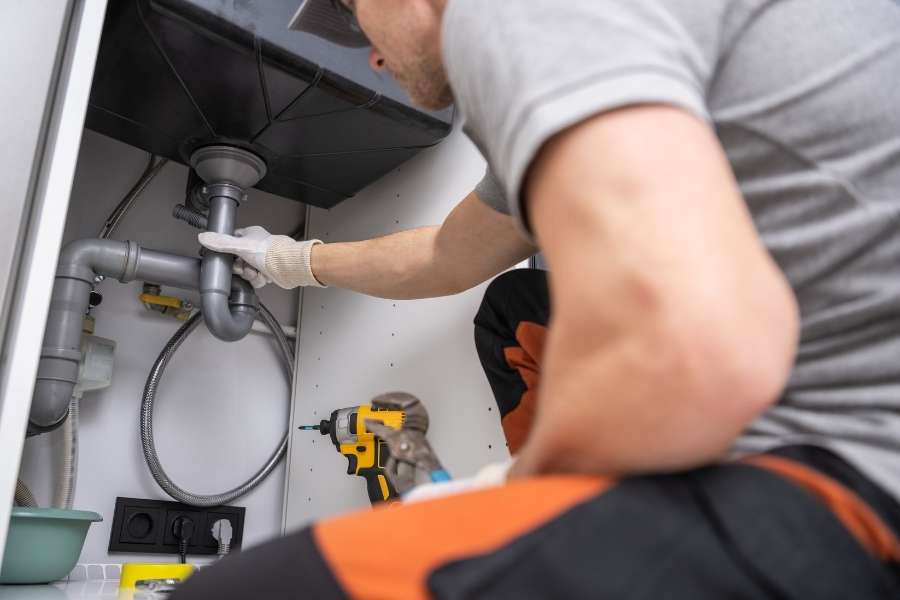
Imagine waking up to the sound of water gushing across your hallway floor. A sudden major plumbing emergency creates instant chaos in any household. Acting fast protects your home and saves you thousands of dollars. You can regain control quickly with the right practical steps.
Immediate First Steps to Stop Indoor Flooding
Every second counts when pressurized water escapes inside your living space. Rapid action keeps a small failure from destroying your property. You must eliminate the water flow before doing anything else. Knowing how to handle plumbing emergencies at home helps you react quickly and effectively. Knowing where is the main water shut-off valve located gives you instant control over the crisis. Check your basement, utility closet, or outdoor meter box right away. Turn the valve clockwise to stop the water flow completely.
Safely Shutting Off the Water Supply
Locating and closing the main shut-off valve stops thousands of gallons from ruining your house. Once closed, open low indoor faucets to drain residual line pressure safely.
Turn round wheel handles clockwise until they stop turning completely. Rotate lever handles a quarter turn until perpendicular to the pipe. Use a water meter key for outdoor street curb valves. Open exterior garden spigots to drain trapped water outside quickly. Check lower sinks to ensure the water pressure drops entirely.
Taking these fast actions empties the system without flooding your floors further. It stabilizes the whole plumbing system in just a few minutes. You can now inspect the surrounding area safely.
Eliminating Electrical and Physical Hazards
Standing water near electrical fixtures presents an immediate life-threatening risk. Never step into flooded areas with submerged outlets or extension cords.
Your personal safety is always more important than protecting physical belongings. Keep your family away until you confirm the area is safe.
Never touch light switches with wet hands or wet feet. Shut off the main breaker only if the panel is dry. Avoid using standard electrical appliances in damp rooms completely. Watch for slippery wet floors and sharp hidden debris. Call your electric utility if water drips through light fixtures.
Safety Warning: Avoid standing water that touches electrical outlets. An uncontained electrical hazard requires immediate utility shutoff before you begin cleanup.
Containing the Leak and Limiting Property Destruction
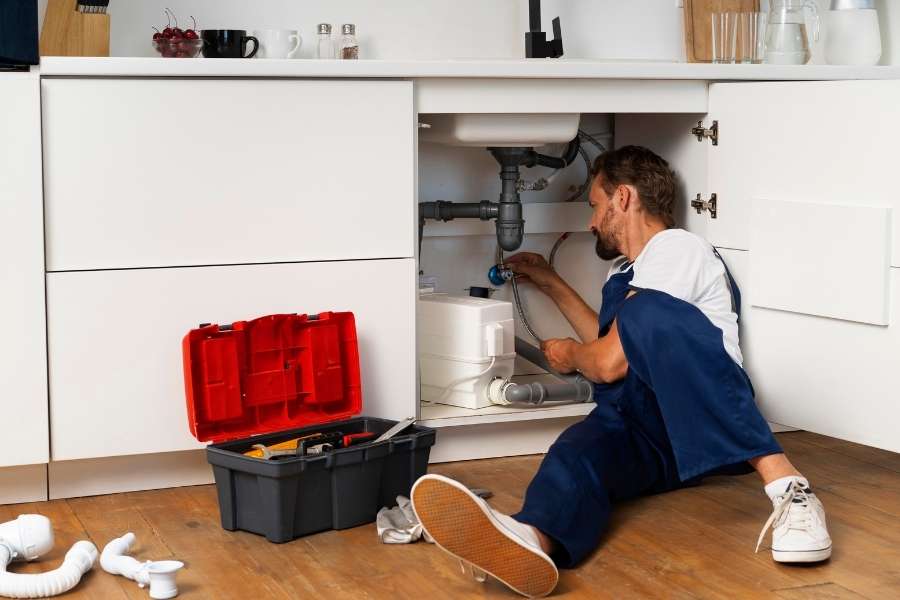
Once the water stops flowing, you must contain the remaining liquid immediately. Water quickly seeps through carpets, wood floors, and lower drywall layers. Learning about common plumbing problems and how to fix them helps you diagnose these dangerous failures early. Knowing how to handle a sudden burst pipe at home keeps structural destruction to a minimum. Use every household tool available to catch falling water droplets.
Deploying Rapid Water Catchment Tools
Organize a quick household bucket brigade using buckets, storage bins, and large pots. Catching ceiling drips prevents heavy plaster from collapsing onto your floors.
Place wide buckets directly beneath active ceiling leaks. Lay heavy plastic tarps to channel water into containers. Poke a small hole in sagging ceiling drywall to drain water safely. Move furniture and electronics into adjacent dry rooms quickly. Lay thick towels along door frames to block water spread.
If you spot a leaking pipe, install a temporary clamp with rubber and hose clamps. This simple fix holds back water until permanent help arrives.
Identifying the Cause of the Failure
A sudden burst pipe happens due to winter freezing, old age, or excessive pressure. Recognizing the source helps you explain the situation to repair technicians.
Clean water leaks come from broken fresh supply pipes. Dirty sewage backups contain harmful bacteria that need special handling and disinfection. For supply line bursts, shut the main valve and drain faucets. For sewer line backups, stop using all drains and toilets immediately.
Always shut off the water first, secure electrical risks second, contain the spread third, and call licensed professionals last.
Bringing in Licensed Professionals for Permanent Repairs
Do not attempt complex DIY plumbing repairs during an active home disaster. Licensed professionals possess the specialized tools required for permanent safety.
Knowing who to call for urgent plumbing leaks saves precious time and prevents costly secondary damage. Contact licensed technicians who offer around-the-clock emergency support.
Hiring the Right Emergency Repair Service
Call a certified emergency plumber with proper licensing and active liability insurance. Describe your issue clearly, mentioning the pipe material and leak location.
Ask for an estimated arrival window before confirming the booking. Confirm call-out fees and hourly rates over the phone. Ensure the company carries full liability and property damage insurance. Verify if they offer water extraction and structural drying services. Clear an open path from your driveway to the work area.
Complete all recommended emergency steps before the plumber arrives to speed up their repair work. Keep children and pets in a safe room away from work zones.
Documenting Property Loss for Insurance Claims
Most property policies cover sudden water damage if you document everything properly. The Insurance Information Institute notes water claims are among the most common.
Take sharp photos and videos before throwing away any damaged building materials.
Take clear photos of every flooded room and damaged item. Film wide-angle videos showing water depth across the property. Take close-up shots of the ruptured pipe or failed fixture. Keep a detailed written list of all ruined personal possessions. Save all receipts for emergency containment tools and plumbing invoices.
Restoring Your Property and Preventing Future Leaks
Cleaning up standing water quickly prevents toxic mold from growing behind your walls. The Environmental Protection Agency states mold grows within forty-eight hours on damp surfaces.
Acting fast protects your family’s health and restores your home’s structural integrity. You must dry the space thoroughly using professional drying techniques.
Removing Trapped Moisture and Wet Materials
Tear out soaked drywall at least twelve inches above the highest water level. Trapped moisture behind wall panels ruins insulation and feeds toxic mold colonies.
Run commercial dehumidifiers continuously to pull moisture from the air. Position high-velocity fans to blow air across wet structural framing. Pull up wet carpets and discard saturated floor foam padding. Treat exposed wooden wall studs with antimicrobial disinfectant spray. Open interior closet doors to increase warm room air circulation.
Hidden water damage often weakens subfloors and wall framing silently over time. Use moisture meters to confirm every wall stud is completely dry.
Simple Maintenance Steps to Protect Your Home
Regular plumbing maintenance prevents expensive emergency pipe repairs down the road. Simple habits protect your pipes and keep your water system running smoothly.
Insulate exposed water pipes in cold crawlspaces and unheated garages. Test your primary water shut-off valve twice each year. Set indoor winter thermostats to at least fifty-five degrees Fahrenheit. Install smart water leak sensors near water heaters and washing machines. Replace aging rubber washing machine hoses with braided stainless steel.
Taking these easy precautions gives you complete peace of mind all year round. Have you tested your main water shut-off valve recently to make sure it works?
Frequently Asked Questions
What is the very first thing I should do during a major plumbing emergency?
Turn off your main water shut-off valve immediately to stop incoming water. Open lower faucets to drain residual line pressure safely.
Can I use duct tape to fix a burst pipe temporarily?
No, duct tape cannot hold standard residential water pressure. Use a rubber patch with a pipe clamp instead for temporary containment.
How do I know if flooded water in my home is dangerous?
Water from sewer backups or stagnant puddles contains hazardous bacteria. Avoid direct skin contact and wear heavy rubber boots and protective gloves.