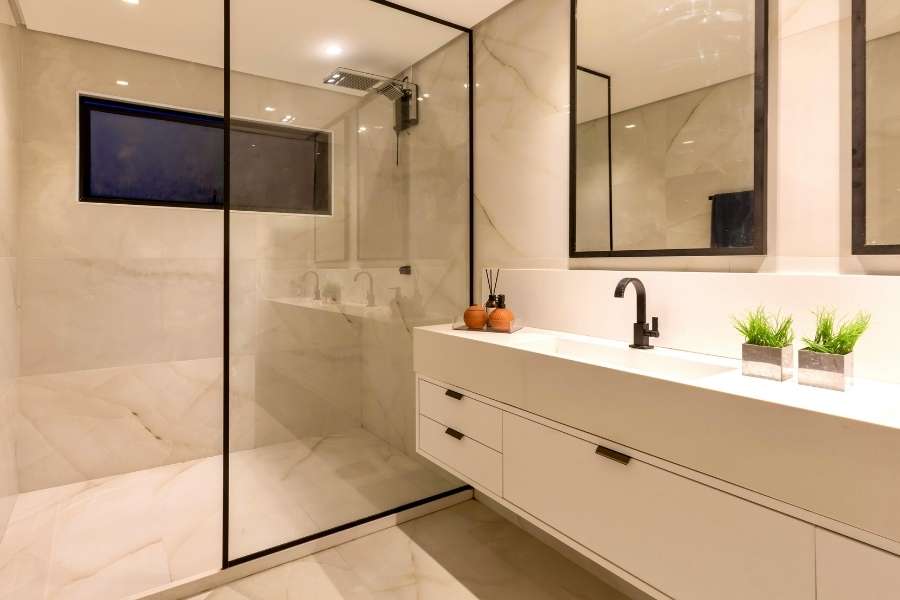
Choosing bathroom floor tiles is about more than finding something that looks good in a showroom. The right tiles need to suit your way of life, withstand daily use, and bring the whole room together in a way that feels balanced and intentional. Whether you are planning a full renovation or simply refreshing a tired bathroom, the floor sets the tone for the entire space.
A good bathroom floor should be practical first, but it should also feel considered. Colour, texture, size, finish, and layout all play a part in how the room looks and functions. When chosen well, tiles can make a small bathroom feel larger, a plain space feel warmer, and a busy family bathroom feel much easier to maintain.
Start with how the room is used.
Before thinking about style, consider how the bathroom works day to day. A family bathroom will have different demands from a guest cloakroom or an en suite. If the room sees heavy use, choose floor tiles that are durable, easy to clean, and not too slippery underfoot.
In busy households, practicality matters just as much as appearance. Tiles with a subtle texture can offer better grip, while darker or patterned finishes may be better at disguising marks between cleans. In a more decorative space, such as a second bathroom, you may have more freedom to focus on looks and create a design-led finish.
Think about the size of the room.
Tile size can have a big effect on how a bathroom feels. Large-format tiles often work well in smaller bathrooms because they reduce the number of visible grout lines and create a more open, streamlined look. That can make the space feel calmer and less cluttered.
Smaller tiles, on the other hand, can add character and work beautifully in period homes or rooms with a more traditional feel. They can also help you introduce pattern through layout rather than colour. If you are using smaller tiles, keep grout colour in mind, as it will have a noticeable effect on the final look.
Light-coloured tiles can help brighten a compact bathroom, while richer tones can add depth and a more grounded feel in larger spaces. There is no single rule here, but the proportions of the room should guide your choice. To explore more ideas, check out these tips for designing a functional and stylish bathroom to help you plan your space effectively.
Choose a style that fits the home.
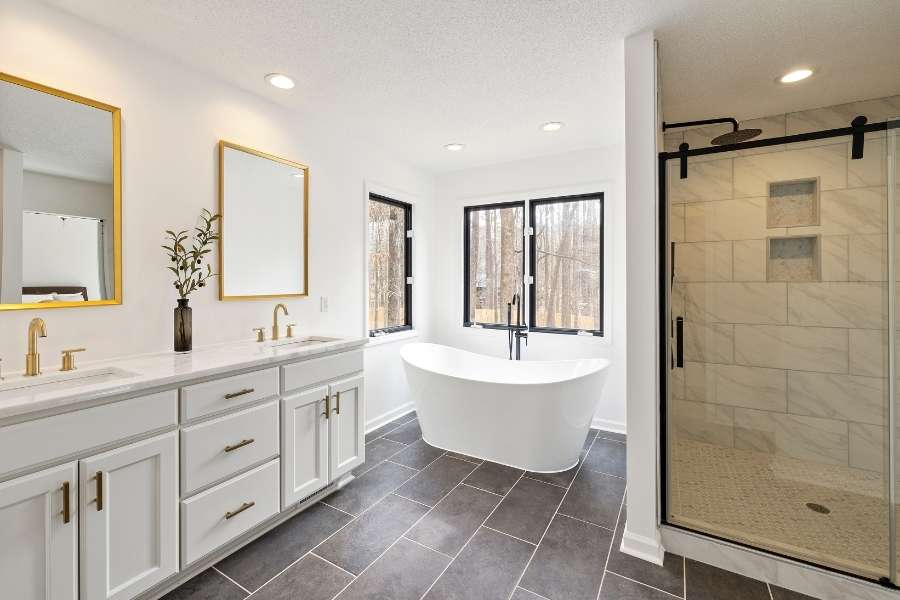
The best bathroom flooring usually feels connected to the rest of the house. A modern flat may suit clean-lined porcelain tiles in soft neutrals, while a Victorian terrace might feel more at home with patterned tiles or a tiled finish that nods to traditional design.
If you prefer a timeless look, stone-effect tiles are a strong option. They offer natural texture and work well in both classic and contemporary interiors. For a more minimal scheme, plain tiles in muted shades can create a calm backdrop that allows fittings and accessories to stand out.
If the room needs a little more personality, patterned floor tiles can bring energy without overwhelming the space. Used thoughtfully, they can become the main visual feature of the bathroom floor tiles, especially when the walls are kept simple.
For a wide range of options and styles, it can help to browse bathroom floor tiles before making a final decision.
Pay attention to the finish and texture.
Bathroom floors need to perform well in wet conditions, so finish matters. Glossy tiles may look attractive, but they are not always the most practical choice underfoot. A matt or lightly textured surface is often better suited to bathrooms because it offers a more secure feel and a softer visual effect.
That does not mean the room has to look dull. Many modern matt tiles still have plenty of depth, movement and character. Some mimic natural stone, while others offer a smooth, contemporary appearance that works well in understated interiors.
Texture can also help define the mood of the space. A gently textured finish feels warm and relaxed, while a smoother surface can look cleaner and more refined. The key is to balance appearance with everyday comfort and safety.
Key factors to consider before choosing bathroom floor tiles
Before making your final decision, keep these important points in mind:
- Choose a slip-resistant finish for improved safety, especially in family bathrooms.
- Consider the amount of natural light, as lighter tiles can help brighten darker spaces.
- Select a tile size that complements the proportions of the room.
- Pick a grout colour that enhances the overall design while remaining easy to maintain.
- Look for durable, water-resistant materials that can withstand everyday use.
- Think about how the flooring will coordinate with your wall tiles, fixtures, and overall interior style.
Do not overlook grout and layout.
Grout may seem like a small detail, but it has a surprisingly large impact. A close colour match creates a seamless look, while a contrasting grout can make the tile pattern stand out. Both approaches can work well, depending on the style you want.
Layout is just as important. Straight-lay tiles create a neat and orderly impression, while diagonal or herringbone patterns add movement and interest. In some bathrooms, a simple layout is best because it keeps the room feeling calm. In others, a more decorative pattern can give the space a stronger sense of design.
Match the tiles to your long-term plans.
Bathroom flooring should be something you can live with for years, not just something that looks good right now. Trends come and go, but a well-chosen tile has staying power. That usually means focusing on quality, versatility and a style that suits your home rather than following a look that may feel dated later.
It is also worth thinking about how the bathroom may evolve. A family home may need a practical, low-maintenance finish that will still look good after years of use. A guest bathroom may allow more design freedom, but it should still feel coherent with the rest of the property.
Final thoughts
The perfect bathroom floor tile is the one that strikes the right balance between style and practicality. By thinking carefully about room size, usage, finish and overall design, you can choose a floor that feels both attractive and well suited to everyday life. The best results often come from keeping things simple, consistent and considered.
A bathroom may be one of the smallest rooms in the house, but the flooring plays a major role in how the space feels. Choose well, and it will support the design quietly and confidently for years to come.