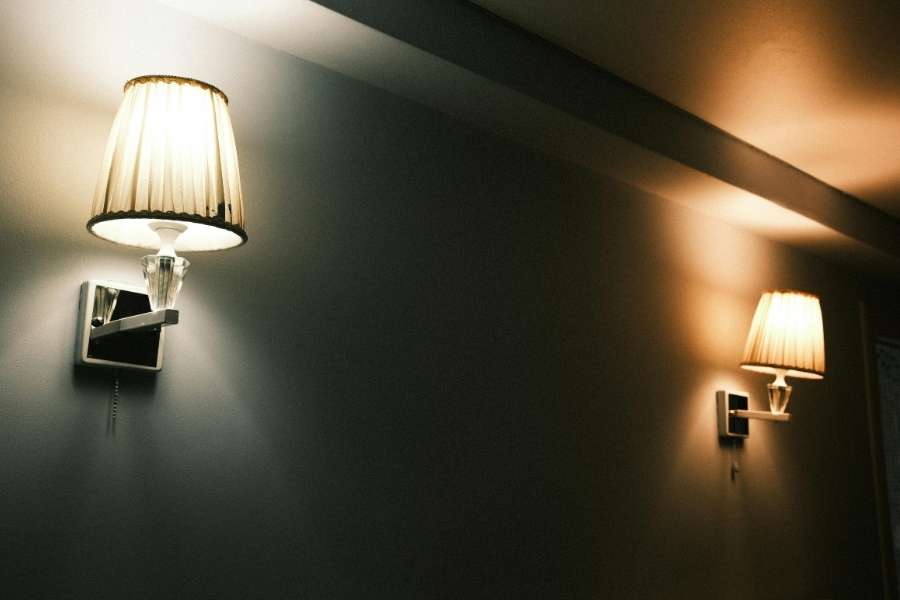
Finding the right lighting balance in a shared living room can feel tough. Have you seen a room where the light felt totally off, casting harsh shadows or glaring in your eyes? Wall Light Placement is the secret to turning a flat room into a warm space.
When you tackle fixture installation with comfort in mind, your home gains depth. Imagine treating walls like a canvas where light highlights architectural features and builds cozy living room ambiance. By grasping junction box position and vertical alignment, you skip the guesswork.
The Golden Rule of Vertical Alignment
Figuring out how high should wall lights be mounted is a common hurdle during room updates. Standard interior design places the sconce center sixty to sixty-five inches from the floor level. This puts the light right at eye level, cutting harsh glare while spreading soft glows. When you explore options for your space, browsing through this fabric wall light collection offers wonderful inspiration for modern interiors.
Yet, strict rules ignore unique room shapes. High vaulted ceilings mean mounting fixtures higher, around sixty-eight to seventy-two inches. In a cozy den with low roofs, sticking low keeps a human scale. Always measure twice from finished flooring, consider scale for large fixtures, and clear nearby furniture molding carefully before finalizing any permanent decisions.
Understanding Function and Aesthetic Layers
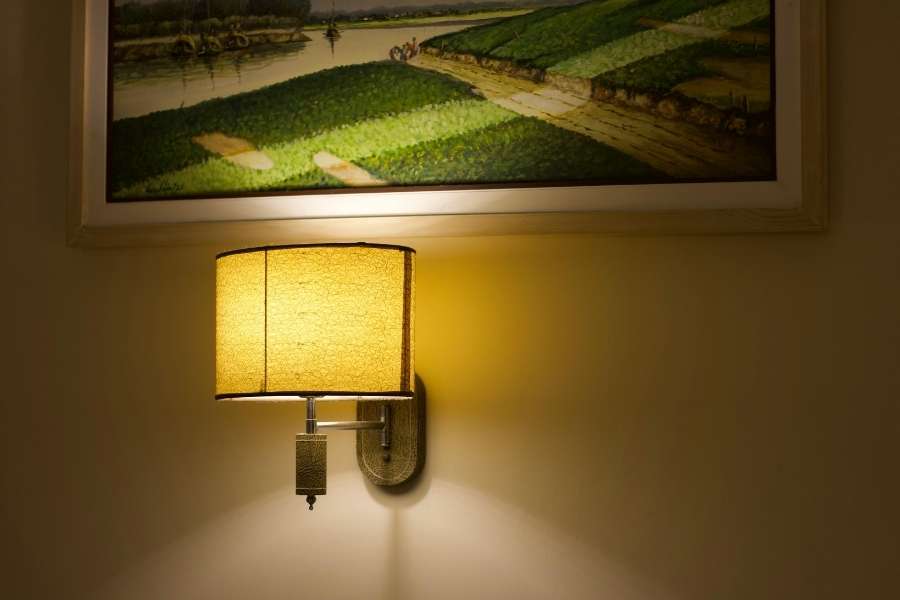
Great lighting blends task, general, and ambient accent sources. When planning your sconce mounting, ask what role the light plays. Are these for background movie nights or reading by the sofa? Staying updated with modern home decor trends helps you choose fixtures that match your personal style and room layout.
Positioning shades above eye level avoids blinding seated guests. For basic wall placement, keeping spacing steady builds visual harmony. Flank art with matching sconces, space sconces six to eight feet apart, and use uplights for height and downlights for focus.
Technical Precision and Wiring Realities
Flawless looks need early prep before drywall goes up. The exact junction box position leaves zero room for error after wiring. Ensuring electricians know your wall light height from floor level saves costly fixes later.
Choosing warm 2700K to 3000K LEDs gives a cozy glow. Dimmers help shift space from day tasks to night rest. Verify box weight ratings, install dimmers for living room ambiance, and conceal cords if not hardwired.
Crafting Dramatic Effects with Wall Washes
Strategic lighting alters room size. A wall wash effect casts light across textured stone, brick, or wallpaper. This diffused bounce makes compact spaces feel airy.
Choosing open shades helps push light outward. Experimenting with beam angles displays wall drama. Enhance texture with wide beams, balance washes with dark negative space, and test bulb spread to stop hot spots.
Choosing the Right Bulbs and Color Temperatures
Selecting the correct lightbulb is just as crucial as positioning the physical fixture on your wall. The color temperature dictates the emotional mood of your living room, shifting the atmosphere from clinical to inviting in a matter of seconds. Warm white bulbs replicate the cozy feeling of traditional incandescent lighting while offering modern energy efficiency.
When working with wall sconces that feature open glass shades or clear covers, the aesthetic appearance of the bulb itself matters immensely. Filament LED bulbs add a vintage charm that complements industrial or rustic decor styles seamlessly. Always check the maximum wattage rating of your fixture to avoid overheating and ensure long-lasting performance.
Integrating Smart Lighting Control Systems
Modern home automation has completely revolutionized how we interact with our living room illumination. By incorporating smart switches and Wi-Fi enabled bulbs, you gain the ability to adjust your wall lights remotely using your smartphone or voice assistant. This level of flexibility allows you to program automated routines that change the lighting intensity as evening transitions into night.
Furthermore, pairing your sconces with motion sensors or daylight harvesting controls adds an extra layer of convenience and energy savings. You can create customized lighting scenes tailored specifically for reading, entertaining guests, or watching movies without ever needing to manually adjust a wall switch.
Troubleshooting Common Installation Mistakes
Even experienced DIY enthusiasts can occasionally run into unexpected challenges during a lighting upgrade project. One of the most frustrating issues is discovering that a newly installed sconce sits slightly crooked due to an uneven wall surface or a misaligned electrical box. Using a small bubble level during the mounting process prevents these minor cosmetic errors from ruining your hard work.
Another frequent problem involves dealing with exposed wiring or unsightly hardware when installing fixtures on finished drywall. Investing in matching cable raceways or decorative junction box covers ensures a clean, professional finish that hides any imperfections. Taking your time during each preparation phase guarantees a stunning end result.
Frequently Asked Questions
What is the standard height for wall sconces in a living room?
The industry standard places junction boxes between sixty and sixty-five inches from the finished floor.
How does ideal height for bedroom reading wall lights differ from living rooms?
Bedroom reading lights mount lower, around forty-eight to fifty-four inches, focusing on books without glaring.
Can I mix different styles of wall sconces in the same open-plan living area?
Yes, if they share metallic finishes or color temperatures to keep visual unity.